🎣 New: Find fishing piers near you β€” Browse all 44 states β†’
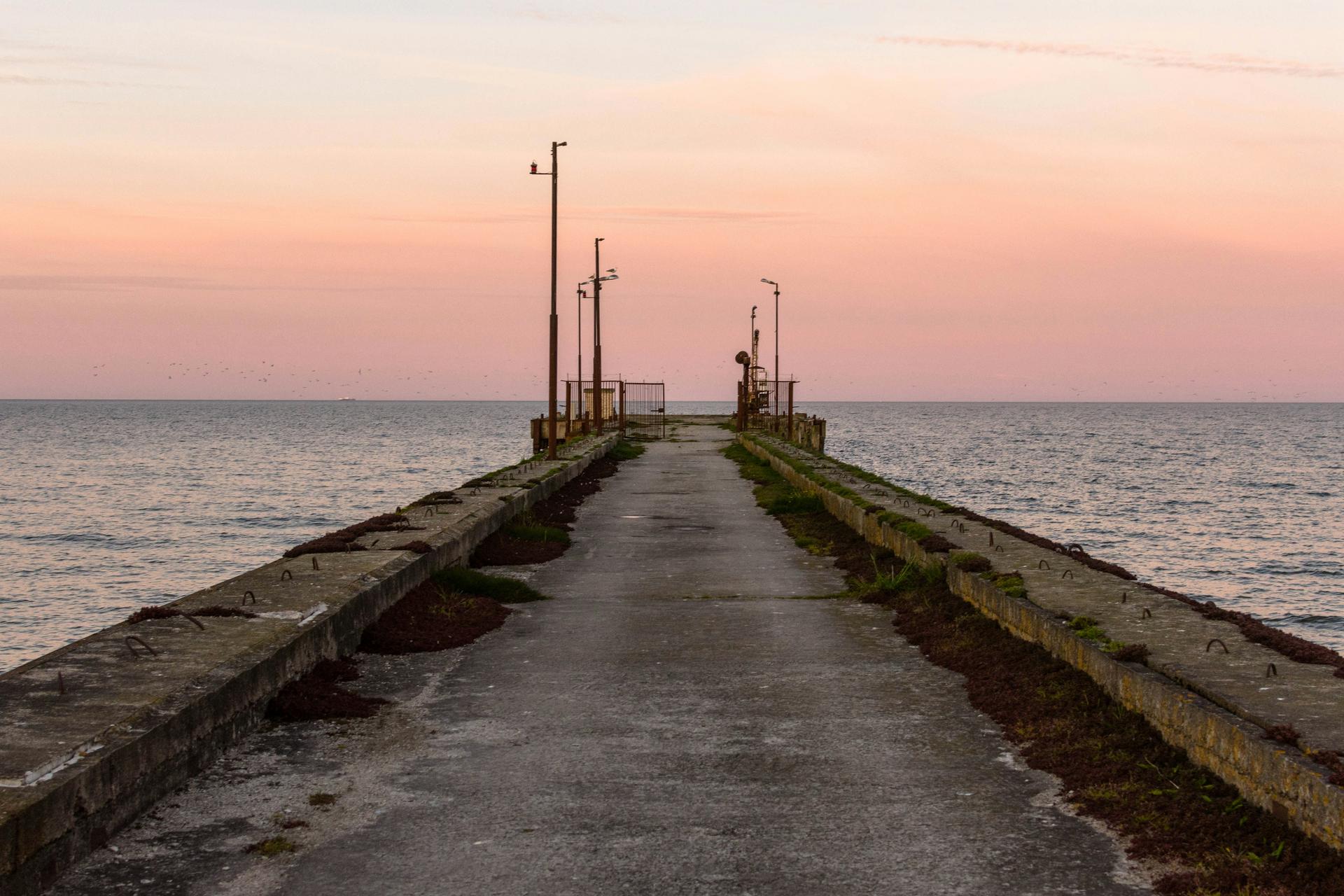
Anglers fishing from a wooden pier at sunset β€” find 36,269+ fishing piers across America on PierSeeker

Fishing Pier Directory

Every Fishing Pier in America

36,269+ fishing piers across 44 states. Find your spot.

36,269

Fishing Piers

27,700+

Boat Ramps

9,000+

Marinas

48

States

Your Complete Fishing Hub

Find the perfect spot β€” piers, boat ramps, and marinas across America.

How to Find a Fishing Pier Near You: The Complete Guide

Pier fishing is the most accessible form of saltwater and freshwater fishing in America. No boat, no license restrictions on most public piers, no expensive gear required β€” just a rod, some bait, and a few hours. But the pier you choose makes more difference than the tackle you bring. Tide-flushed ocean piers near deepwater channels can produce king mackerel and tarpon. Lake piers in the right spot at the right hour deliver crappie, bass, and catfish. Pick the wrong pier and you'll spend the day watching someone else catch fish from a better one a mile away.

PierSeeker indexes more than 31,000 fishing piers, jetties, and public docks across 44 states, sourced from coastal management agencies, state fish and wildlife departments, municipal park systems, and OpenStreetMap contributors. We list pier length, amenity availability, and what species local anglers actually catch from each location β€” not just generic pier info copy-pasted across listings.

Below is PierSeeker's directory of fishing piers organized by state. Continue reading below the directory for the complete guide to choosing the right pier for your target species, understanding tide and weather windows, reading licensing rules state by state, and selecting bait and rigs that match the water you're fishing.

Browse by State

Complete Guide Continues

Why Choosing the Right Pier Matters

Pier fishing rewards research more than almost any other shore-based fishing. The same stretch of coast can have one pier producing king mackerel during the morning incoming tide and another half a mile away producing nothing but sand sharks. Lake piers are the same β€” a public pier on a creek arm with submerged structure outproduces a flat shoreline pier by an order of magnitude on the right day. Picking the wrong pier costs you the fishable window. By the time you realize the bite is happening at the next pier over, the tide has shifted or the school has moved on.

The right pier matters most for visiting anglers who don't know the water. Locals know which pier holds bait in summer, which one warms up first in spring, and which one to avoid in afternoon onshore wind. A directory listing with amenity tags, species notes, and pier length gets you most of the way to local knowledge without the trial and error.

Saltwater vs. Freshwater Piers: What Changes

Saltwater piers run on tides. Incoming tide pushes baitfish into the pier zone and predator species follow. Slack tide is dead time at most ocean piers, and outgoing tide can be productive but rarely matches an incoming. Saltwater also corrodes everything β€” line, hooks, swivels, reel components β€” so dedicated saltwater gear isn't optional if you're fishing more than a few times a year. Rod choice trends heavier: 7-to-9-foot medium-heavy or heavy spinning rods handle the larger species and longer casts pier fishing demands.

Freshwater piers have stable water levels and stable structure. Bass, crappie, catfish, and panfish are the typical targets, and lighter tackle works fine. Freshwater piers are usually less crowded and more relaxed than saltwater destinations, especially on weekday mornings. The trade-off is species variety β€” saltwater piers can hold a dozen catchable species in season; freshwater piers usually have three or four primary targets. Match your gear and expectations to the water type before you load the truck.

Reading Tides, Currents, and Weather Windows

The best pier anglers think in tide windows, not clock hours. On saltwater piers, the most productive time is usually two hours either side of an incoming high tide β€” baitfish concentrate, predators feed actively, and currents carry scent toward the pier. NOAA tide tables and apps like Tide Charts make this simple to plan. Slack water (no tidal movement) is typically dead. Outgoing tides can produce, but the bite usually winds down quickly.

Weather amplifies or kills a tide window. Falling barometric pressure ahead of a front is famously productive β€” fish feed actively before the storm. Stable high pressure after a front is usually slow until conditions normalize. Onshore wind (blowing from water toward shore) pushes baitfish into the pier zone and is generally good. Strong offshore wind pushes bait away and makes casting miserable.

Time of day matters less than the tide and weather. That said, dawn and dusk are usually productive across pier types β€” light levels favor predators and bait moves into the shallows. Plan around the tide first, time of day second.

Licensing Rules: When You Need One, When You Don't

Saltwater pier fishing is where the rules get generous. Florida, Texas, North Carolina, South Carolina, and several other states exempt anglers fishing from public ocean piers from saltwater fishing license requirements β€” the pier itself often holds a blanket license that covers everyone fishing from it. California has specific pier-fishing exemptions on most public piers. New Jersey and New York have similar provisions. Always confirm with the state's fish and wildlife agency, especially when crossing state lines.

Freshwater pier fishing almost always requires a state freshwater fishing license, and the rules are stricter. Senior, disabled, and youth exemptions exist in most states but vary in age cutoffs and proof requirements. A few states (Pennsylvania, for example) have specific lake-by-lake rules that override state-wide policy.

Some piers β€” especially commercial saltwater piers in Florida, North Carolina, and California β€” charge a daily access fee that includes the license coverage. Check the pier's posted rules before you fish, and keep a printed or digital copy of any required license on your phone. Wardens will check, and the fines exceed the license cost by ten times or more.

Bait, Rigs, and Tackle for Pier Fishing

Saltwater pier rigs are simpler than most beginners assume. A standard fish-finder rig (sliding egg sinker above a swivel, two-foot leader, bait hook) handles most species. Pyramid sinkers in the 2-to-4-ounce range hold bottom in moderate current. Live or fresh-cut shrimp is the most universally productive bait β€” it catches everything from whiting and sheepshead to flounder and small mackerel. Cut squid, fresh mullet, and live finger mullet expand the range. For species like Spanish mackerel and bluefish, casting Gotcha plugs and metal spoons during a feeding blitz outperforms bait.

Freshwater pier setups are even simpler. A 6-to-7-foot medium spinning rod with 8-to-12-pound mono or braid handles most species. A slip bobber rig with live minnows or worms catches crappie, panfish, and small bass. For catfish, a basic Carolina rig with cut bait or chicken liver works. Don't overcomplicate the tackle box β€” three or four rigs and four or five bait options handle nearly every situation. Fancy gear catches anglers more than it catches fish.

Pier Fishing Etiquette and Safety

A crowded pier is a shared workspace, and the regulars notice when someone doesn't follow the rules. Don't cast over other anglers' lines β€” give at least one rod-length of clearance before you cast, and shorten your cast if the pier is shoulder-to-shoulder. If your line crosses someone else's, reel in fast and apologize. Repeat offenders get talked to; chronic offenders get reported.

Use the cleaning station. Most public piers have designated areas for cleaning fish, and the rules around discarding carcasses (back into water vs. trash) vary by location. Cleaning fish where people are walking is universally bad form.

Watch your footing. Pier boards get slick from spray, fish slime, and bait juice. Wear shoes with grippy soles β€” boat shoes, deck shoes, or trail runners. Flip-flops on a wet pier are how anglers end up in the water with a broken ankle. If a kid or beginner has a fish on, help them land it before you worry about your own line. Pier culture rewards this. So does watching a kid land their first decent fish.
Why PierSeeker

📍

GPS Coordinates

Exact location for every pier. Never end up at a private dock again.

🎣

Amenity Info

Find piers with fish cleaning stations, bait shops, lighting, restrooms.

💬

Local Tips

Real advice from anglers who fish these piers every week.

🔒

Free Forever

No login. No account. No fees. Just find your pier and go fish.

This Spring's Picks

🌿 Limited-Time Featured

Spring run gear for the first pier trips of the year

Sabiki Rig 6-Pack

Baitfish arrive before the gamefish. Load up a bucket in 15 minutes with a sabiki.

β˜… Our Pick β€” View on Amazon

Light-Action Rod & Reel Combo

Spring whiting, pompano, and small blues need a sensitive rod, not a heaver.

β˜… Our Pick β€” View on Amazon

Bait Bucket w/ Aerator

Live shrimp outfish frozen 10-to-1 in cold water. Keep them kicking with a 12V aerator.

β˜… Our Pick β€” View on Amazon

Pier Fishing Essentials

As an Amazon Associate we earn from qualifying purchases.

Sabiki Bait Rig (6-Pack)

The fastest way to catch live bait from a pier. Drop, jig, and you're loaded with pinfish or mullet in minutes.

β˜… Our Pick β€” View on Amazon

Pier Rod & Reel Combo

Medium-heavy action with a saltwater-ready reel. Built for the 8-12 foot casts pier fishing demands.

β˜… Our Pick β€” View on Amazon

Long-Handle Pier Drop Net

Your fish is 20 feet below you. A drop net is the only way to land a keeper without breaking the line.

β˜… Our Pick β€” View on Amazon

5-Gallon Bait Bucket w/ Aerator

Keep shrimp, pinfish, or mullet alive all day. Bait that's still kicking catches twice as many fish.

β˜… Our Pick β€” View on Amazon

Cast Net (for Bait)

Cheaper than buying bait every trip. One good throw fills the bucket with greenbacks or mullet.

β˜… Our Pick β€” View on Amazon

Pre-Loaded Saltwater Tackle Box

Hooks, sinkers, swivels, leader β€” everything you need to start rigging on day one.

β˜… Our Pick β€” View on Amazon

Pier Comfort & Safety

As an Amazon Associate we earn from qualifying purchases.

Fishing Cart / Pier Cart

Haul rods, tackle, bait, cooler, and chair in one trip. Wide wheels for boardwalk planks.

β˜… Our Pick β€” View on Amazon

UV Fishing Shirt (UPF 50+)

All-day sun protection without sunscreen on your hands. Quick-dry and vented for heat.

β˜… Our Pick β€” View on Amazon

Polarized Fishing Sunglasses

See fish in the water, not just glare on the surface. Essential for sight-casting from piers.

β˜… Our Pick β€” View on Amazon

Folding Pier Chair

Built for pier railings. Low back so you can fight a fish without getting tangled.

β˜… Our Pick β€” View on Amazon

LED Headlamp

Night pier fishing is when the big ones bite. Hands-free light to re-bait and land fish after dark.

β˜… Our Pick β€” View on Amazon

Insulated Fish Cooler Bag

Keeps your catch fresh from the pier to the cleaning table. Leak-proof and easy to clean.

β˜… Our Pick β€” View on Amazon

Terminal Tackle

As an Amazon Associate we earn from qualifying purchases.

Circle Hooks (Variety Pack)

Required for many saltwater species. Self-setting and safer for catch-and-release.

β˜… Our Pick β€” View on Amazon

Pyramid Sinkers (Assorted)

Hold bottom in current and surf. Assorted weights from 1 oz to 6 oz for any pier condition.

β˜… Our Pick β€” View on Amazon

Fluorocarbon Leader

Nearly invisible underwater. Use it when line-shy fish like sheepshead and pompano are finicky.

β˜… Our Pick β€” View on Amazon

Fish Stringer

Keep your catch alive in the water. Longer runs than a bucket and won't overcrowd the fish.

β˜… Our Pick β€” View on Amazon

Fillet Knife

Flexible blade, non-slip grip. The difference between a clean fillet and a mangled one.

β˜… Our Pick β€” View on Amazon

Gear Up for Pier Fishing 🎣

Top-rated pier fishing gear β€” rods, tackle, nets, and more.

What's Biting This Month

Fishing Tips & Guides

All posts β†’

Frequently Asked Questions

Do I need a fishing license to fish from a public pier?
Most states exempt saltwater pier anglers from licensing, but freshwater pier fishing typically requires a state fishing license. Rules vary β€” check your state's fish and wildlife agency. Some municipal piers have additional permit requirements.
What's the best time of day to fish from a pier?
Early morning (dawn to mid-morning) and late afternoon (two hours before sunset) are typically the most productive windows. Tide changes matter more than time of day on saltwater piers β€” incoming tide tends to outproduce slack water.
What's the difference between a fishing pier and a dock?
A fishing pier is built for public angling β€” usually with rod holders, cleaning stations, and sometimes lights. A dock is primarily for boat access. PierSeeker lists both, but our directory tags pier-specific amenities clearly on each listing.
Are most fishing piers free?
Most public ocean and lake piers are free. Some commercial piers charge $5-10 daily access fees. Annual passes are common at popular saltwater piers in the Carolinas, Florida, and California. Fee information is included on PierSeeker listings where verified.
Is PierSeeker free to use?
Yes, completely free. No login, no account, no paid tier. We're funded by display advertising and listing partnerships. Find your pier and go.

Get Fishing Updates

New piers, fishing reports, and pier fishing tips from across America. No spam, unsubscribe anytime.

Powered by CLETUS AI

Your Business Deserves a 24/7 Employee

CLETUS is the AI chat and voice agent that never sleeps, never calls in sick, and costs less than $1/day.

AI chat widget answers customers on your website
AI phone receptionist handles calls 24/7
Learns YOUR business in 5 minutes
Works for any industry β€” restaurants, shops, services
14-day free trial, no credit card needed

Try it now β€” click the chat bubble in the corner to see CLETUS in action β†’

Know a pier we're missing?

Help us build the most complete pier directory in America.

Submit a Pier